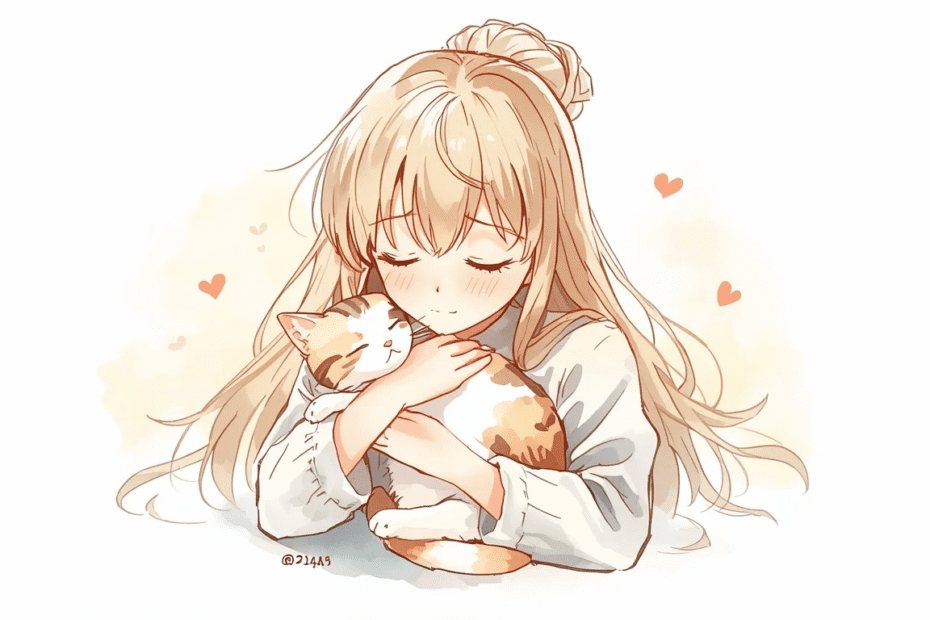
You spot a soft watercolor sketch of a character gently holding a sleeping cat. The artist tagged it doujen moe. Something about the image stops your scroll. It feels personal, almost like reading a diary entry you were never supposed to find. That quiet emotional pull defines the entire culture. This article unpacks everything you need to know—no fluff, no hollow buzzwords, just a clear map of where this term lives, how it works, and why thousands of creators treasure it.
The Simple Meaning of Doujen Moe
Doujen moe marries two Japanese cultural forces. Doujin means self-published creative work made outside commercial publishing pipelines—think fanzines, indie comics, and passion-project artbooks. Moe represents the rush of affection, protectiveness, and gentle adoration a fan feels toward a fictional character. Combine them, and doujen moe describes a creator-first movement where independent art speaks the quiet language of emotional warmth.
Nobody trademarked this phrase. It bloomed inside Pixiv comment sections, Twitter threads, and doujin circles at Comiket. When an artist writes “just a little doujen moe piece” beside their upload, they signal something specific: this work prioritizes heart over hype, sincerity over spectacle.
Where Doujen Moe Comes From
The roots stretch back decades. Doujin culture gained structure in 1975 with the first Comiket in Tokyo, a humble gathering of 32 circles. Today, Comiket hosts over half a million attendees. Alongside that growth, the concept of moe crystallized in 1980s and 1990s anime fandom as fans needed a word for the emotional warmth certain characters triggered.
Online spaces fused these threads. Artists began labeling their heartfelt, independently published illustrations with hybrid terms. Doujen moe stuck because it perfectly captures the intersection: independent spirit plus tender emotional energy. The label functions like a cultural handshake, instantly telling viewers what emotional register to expect.
The Visual Signature of Doujen Moe
You can recognize doujen moe art before reading a single tag. The style leans into deliberate softness.
Color Choices: Muted pastels, warm pinks, gentle lavenders, soft creams. Harsh neon and high-contrast shadows rarely appear.
Character Presence: Figures look approachable. Large expressive eyes, rounded cheeks, relaxed postures. They sit by windows, sip tea, tie shoelaces—quiet, everyday moments.
Composition: Backgrounds stay simple or absent. The character fills the frame, uninterrupted. Nothing steals attention from the emotional core.
Handmade Texture: Visible brushstrokes, slightly uneven lines, sketchy edges. These imperfections telegraph a human hand at work, not a factory pipeline.
This visual grammar rejects the polished bombast of mainstream anime key art. Doujen moe whispers instead of shouting.
How Creators Actually Make Doujen Moe Works
The process follows feeling, not a manual. An artist picks a character they genuinely love—often from an anime, game, or original story. Instead of drawing an epic battle pose, they pause on a fragile moment. A character brushing hair from their eyes. A hero resting on a park bench. Then they layer in the specific feeling using posture, lighting, and color temperature.
Next comes the self-publishing step. They upload to Pixiv, tweet a WIP, or print a dozen copies for a local convention table. They add a short caption: “I wanted to capture how safe this character feels at dawn.” Fans respond with comments, shares, and sometimes their own art inspired by the original piece. The cycle feeds itself organically. No editorial gatekeeper. No algorithm hack. Just honest creative exchange.
The Spaces Where Doujen Moe Lives
Physical Hubs: Comiket remains the spiritual home. Twice yearly, Tokyo Big Sight fills with long tables stacked with doujinshi. Artist alleys at Anime Expo, Japan Expo, and smaller cons worldwide now reserve space for this aesthetic. Direct sales, sketch requests, and face-to-face chats strengthen community bonds.
Digital Platforms:
Pixiv serves as the primary gallery, hosting millions of doujin and moe works with robust tag systems.
Twitter/X handles real-time connection—artists share sketches, announce shop updates, and talk directly with fans.
Tumblr supports aesthetic-focused reblog culture where emotional art finds long-tail circulation.
BOOTH provides a storefront for digital and physical doujinshi purchases.
These spaces together form an ecosystem where doujen moe spreads through genuine interest, not paid promotion.
Why Doujen Moe Matters Right Now
Digital culture often rewards outrage, clickbait, and hyper-polished content. Doujen moe stands apart. It offers emotional refuge—a quiet visual space where someone drew a character feeling safe, soft, or seen. Viewers describe encountering these pieces as a deep exhale after a long day.
For creators, the practice acts as a creative pressure-release valve. They make art that answers only to their own heart. No brand brief. No trending audio requirement. This freedom attracts artists burned out by performative social media. They discover that sincerity still attracts an audience. The movement grows steadily because it delivers something algorithms cannot manufacture: genuine human warmth delivered through self-published pixels and paper.
Legal Realities and Respectful Participation
Doujin works exist in a legal gray area. Japanese copyright law technically restricts unauthorized derivative works. In practice, most anime and manga companies tolerate small-scale doujinshi because fan passion drives broader franchise loyalty. Some publishers, like Capcom and Nitroplus, even publish clear fan-work guidelines.
If you create doujen moe art based on existing characters, check the rights holder’s policies. Stay within hobbyist scale. Avoid mass commercialization of derivative pieces. Original-character doujen moe art carries zero legal friction. The safest path always involves respecting the source material while letting your own emotional truth lead the creation.
6 FAQs About Doujen Moe
1. What does doujen moe mean in plain language?
It means independent, self-published art that radiates gentle affection toward characters. The term bundles creative freedom with emotional softness.
2. Where did the term originate?
It surfaced organically in online anime art communities, blending doujin (self-published) with moe (character affection). No single person invented it.
3. Can anyone create doujen moe art?
Absolutely. A smartphone sketch app and a genuine feeling get you started. Technical polish matters far less than emotional honesty.
4. Is doujen moe the same as kawaii art?
No. Kawaii targets visual cuteness. Doujen moe targets emotional connection. A drawing can be both, but the intent differs.
5. Where can I discover doujen moe works?
Pixiv, Twitter/X, Tumblr, and artist alleys at conventions. Search terms like “doujin,” “moe,” and “original art” surface great examples.
6. Is selling doujen moe work legal?
Derivative works based on existing IPs exist in a tolerated gray zone. Original-character doujen moe art is fully safe to sell. Always review publisher guidelines.
A Closing Moment, Not a Conclusion
Doujen moe does not need a grand finale paragraph. Its value sits in the doing, not the summarizing. Scroll through Pixiv tonight. Find a piece tagged with those words. Notice the feeling that rises in your chest—that quiet recognition of a stranger’s heart, poured into lines and colors. That feeling is the entire point. No algorithm can fake it. No content farm can replicate it. That is why doujen moe endures, one honest sketch at a time.