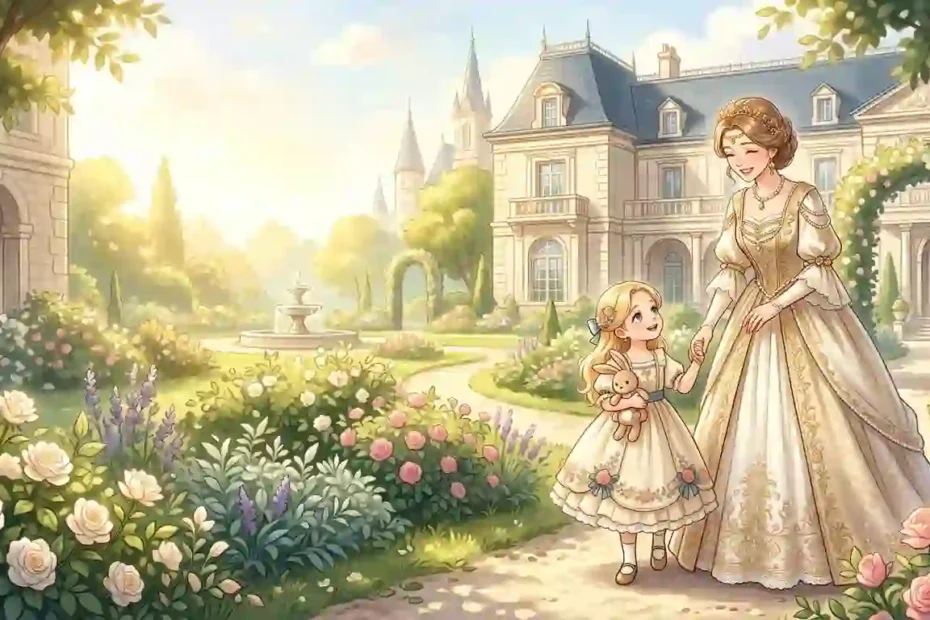
A long translated title can make a promising series hard to find. Searchers often meet several spellings, incomplete plot summaries, and unclear reading information before they discover what the story actually is. Sister In Law Of The Heroine In A Childcare is a Korean romance-fantasy series about changing a disastrous fate, protecting a child, and finding a place in an unexpected family. This guide gives you the verified basics without ruining key turns.
Quick answer: what is this series?
Sister In Law Of The Heroine In A Childcare refers to the Korean romance-fantasy webtoon and its source story known in Korean as 육아물 여주인공의 새언니. Its premise follows a woman reborn into a childcare-themed fantasy as a minor imperial princess who knows the cruel role assigned to her. Rather than repeat that role, she tries to leave before she harms the young heroine.
The official series materials present it as romance fantasy with reincarnation, aristocratic family conflict, and a childcare-story setting. The plot changes direction when the former villainess protects the child she was meant to hurt. That choice turns an escape plan into a relationship-driven story.
Series facts at a glance
| Detail | Verified or useful reference point |
|---|---|
| Main English search title | Sister-in-Law of the Heroine in a Childcare Novel |
| Korean title | 육아물 여주인공의 새언니 |
| Format | Korean digital webtoon adapted from a web novel |
| Genre | Romance fantasy |
| Core setup | Reincarnation into a side-villain role and an attempt to avoid a tragic future |
| Important story entities | Imperial family, ducal household, young heroine, older brothers, former villainess |
| Officially credited names on the Kakao Webtoon listing | Tae Jiwon, Beomram, and Geumnunsae |
| Original Korean platforms | KakaoPage and Kakao Webtoon |
| Story status | Ongoing; episode availability can change by platform and region |
| Best approach for newcomers | Begin with the official first episode or source listing, then check the local language and payment options |
This table avoids a fixed episode total because serial platforms update at different times. A current listing provides a better answer than a copied number on a catalog page.
In simple terms, what does the title mean?
The title Sister In Law Of The Heroine In A Childcare points to the main relationship readers should watch: the protagonist is positioned to become connected to the young female lead’s family. “Childcare” does not mean the series teaches real-world parenting. In Korean romance-fantasy fiction, it signals a story where a child’s safety, affection, and family life shape the stakes.
The phrase also tells readers that the heroine is not the only important woman in the plot. The former villainess takes the center of the narrative, while the child heroine remains the emotional reason many characters change. That shift gives the premise its tension.
The spoiler-light premise
The premise of Sister In Law Of The Heroine In A Childcare begins with a woman awakening in the body of a princess from a fictional childcare tale. She remembers that this princess becomes fixated on the heroine’s eldest brother, attacks the heroine, and meets a terrible end. Her first practical decision is not to win anyone over; it is to get away safely.
That plan breaks when she saves the young heroine. The rescue creates a contrast between the girl’s feared future and her actions in the new timeline. Family members who expected danger now must decide whether they can trust the person in front of them.
This setup makes the story more than a simple romance. Each warm scene has a shadow behind it: the protagonist knows what she could become if fear, privilege, or isolation control her choices again. The question is not only who she will marry. It is whether a person blamed by the original plot can build a life that is truly her own.
Who are the important characters and entities?
The official premise provides the clearest way to understand the cast without revealing later developments. It centers on roles first, which helps readers recognize the story even when translations use slightly different names.
| Entity or role | Why the role matters |
|---|---|
| Reincarnated princess | She is the point-of-view character and the former side villain determined to change her future. |
| Young heroine | Her welfare drives the moral stakes. Protecting her challenges the original story’s cruel outcome. |
| Eldest brother | The original future ties him to the princess’s unhealthy obsession, making him central to the romance and conflict. |
| Second brother | He adds family tension and shows that trust is not won in one scene. |
| Ducal household | This family space becomes a test of belonging, money, influence, and safety. |
| Imperial family | It represents the political environment that helped shape the princess’s old reputation. |
| The “childcare novel” world | It supplies the expected script that the protagonist keeps refusing to follow. |
In Sister In Law Of The Heroine In A Childcare, roles do not stay flat. A child is not only a symbol of innocence, a duke’s family is not only a romantic backdrop, and a princess is not only a villain label. The story gains feeling by testing the assumptions attached to every role.
Why the family dynamic carries the story
Family dynamics make this title stand out within the reincarnation romance-fantasy space. The lead does not enter a blank world where everyone instantly praises her new behavior. She enters a network shaped by fear, class pressure, old grudges, and a child who has every reason to be careful.
The family must judge actions over time. That creates a more satisfying kind of progress than a sudden personality reversal. A small choice—staying when leaving would be easier, listening instead of demanding, or protecting someone with no reward—can carry more weight than a grand speech.
The story also uses money, titles, and social rank as relationship pressure. Comfort can look like security, yet it can also create obligations and suspicion. Readers who enjoy emotional repair beside courtly stakes will find that mix familiar and engaging.
How does the childcare element shape the plot?
The childcare element in Sister In Law Of The Heroine In A Childcare gives every adult choice a sharper consequence. The young heroine is not background decoration. Her feelings, safety, and view of the adults around her influence the direction of the household.
This genre element also changes the romance pace. A relationship cannot be judged only by dramatic attraction when a child depends on the adults involved. The series asks whether a potential family can create calm, respect boundaries, and act with care when nobody is watching.
That does not make the work a parenting manual. It remains fantasy fiction, with aristocratic settings and heightened emotions. Still, the child-centered lens adds tenderness and makes selfish decisions feel more costly.
Reincarnation, fate, and second chances
Reincarnation lets the protagonist see the destination before she starts the journey. She knows the original version of herself as someone capable of cruelty. That knowledge creates immediate urgency, but it also creates a difficult emotional question: does remembering a bad future make her guilty for it?
The series uses fate as a source of pressure rather than a fixed command. The lead cannot erase the past that people expect from her, yet she can choose differently in the present. Her effort becomes credible because changing a reputation requires repeated choices, not a single rescue.
For readers who enjoy villainess stories, this approach offers a useful variation. The protagonist does not merely trade a villain costume for a flawless image. She has to learn what care looks like when she has power, fear, and an escape route.
Is it a novel, a manhwa, or both?
Search results use several formats because Sister In Law Of The Heroine In A Childcare exists across related Korean publishing formats. The source work is a web novel, while the illustrated adaptation is a webtoon, often called manhwa by international readers. The shared premise explains why descriptions overlap, but the reading experience differs.
A web novel gives the reader prose, internal thought, and a self-paced reading rhythm. A webtoon uses scrolling panels, color, facial expression, and episode-end tension. If you seek the art and visual pacing, look for the official webtoon listing. If you prefer prose and the original narrative form, look for the official web-novel listing where it is available in your region.
Use the format name carefully when writing about the series. Calling every version “a manga” can confuse readers, because this title originates in Korea and its official adaptation is a Korean webtoon.
Alternate titles that help you find the right series
Translation titles change as communities, catalogs, and publishers choose different wording. Search the Korean title alongside the main English title to avoid mixing this work with another childcare romance.
Common title forms include:
- Sister-in-Law of the Heroine in a Childcare Novel
- Sister-in-Law of the Heroine of a Childcare Novel
- The Heroine’s Sister-in-Law in a Childcare Story
- Step Sister-in-Law of the Female Lead
- New Child Care Sister of the Heroine
- 육아물 여주인공의 새언니
The wording sister in law of the heroine in a childcare novel commonly appears in searches without hyphens. It refers to the same title family, but the Korean title gives the strongest match when a platform’s English translation differs.
What makes the romance-fantasy setting important?
The romance-fantasy setting is not just decorative. A princess cannot disappear as easily as an ordinary person, and a powerful ducal household cannot ignore the imperial court without risk. Status raises the price of every decision.
For the heroine-figure, aristocratic life also creates a challenge around consent and control. Grand protection can feel loving, but it can also become restrictive. A strong relationship story pays attention to whether people listen, respect refusal, and support one another’s choices. That is a useful lens for reading the interpersonal conflict here.
The fantasy setting further supports the contrast between public and private identity. A person can wear a royal title and still feel unwanted. A feared former villain can perform one kind act and begin to change how a household sees her, even if the court refuses to forget.
A sensible, legal way to start reading
To start Sister In Law Of The Heroine In A Childcare with accurate information, search the Korean title on KakaoPage or Kakao Webtoon and choose the verified series record. Those official records identify the creators, genre, and episode order. They also tell you what is currently available for your territory.
Avoid relying on copied chapter lists or screenshots as your main guide. They may omit episodes, reverse the order, or use an outdated translation title. Official platforms protect the creator’s work and give you the cleanest reading sequence.
If an official English edition appears later, publisher announcements remain the best place to confirm it. Do not assume that a fan-posted English title means a licensed release exists.
How to check updates without spreading wrong information
Serialized comics change quickly. An article that says “latest chapter” without a date can mislead readers within days. The best editorial practice is to state when you checked, name the official platform, and avoid claiming a release schedule unless the publisher confirms one.
For this page, the verification date is October 14, 2026. The official Korean listings establish the title, premise, credited creators, and platform presence. They should remain the source of record for new episodes, pricing, language availability, and any hiatus notice.
This approach helps readers and protects the article’s credibility. It favors useful answers over fast but fragile claims.
How to avoid title and chapter confusion
The phrase Sister In Law Of The Heroine In A Childcare can surface pages that disagree about the spelling, creator credits, format, and number of episodes. That happens when a web novel, a webtoon adaptation, search tags, and unofficial indexes all circulate at once.
Use this quick check before saving or sharing a listing:
- Match the Korean title: 육아물 여주인공의 새언니.
- Confirm that the premise involves a reincarnated side villain and a young heroine.
- Check that the work is tagged as romance fantasy rather than a real-world childcare story.
- Compare the credited names with the official Kakao Webtoon record.
- Treat episode counts as dated information, not a permanent fact.
- Choose official publisher pages for reading and update notices.
These steps take less than a minute and prevent a common search mistake: landing on a summary for a different “villainess becomes family” story.
How to read the emotional arc without missing its point
The first setup can make the series look like a simple escape story. The princess wants distance from a fate that promises shame and destruction, so leaving seems sensible. Yet the emotional center comes from the choices that make leaving harder: a child who needs safety, people who begin to see change, and a home that may become more than a danger.
Read the early chapters with attention to cause and effect. When another character hesitates, look at what they know about the princess and what they have seen her do. When the lead chooses patience, notice what that costs her. These small exchanges explain why earned trust feels more meaningful than instant forgiveness.
The romantic thread works best when viewed through that same lens. Attraction alone cannot repair a history of fear or close the gap between social roles. Respect, honesty, and room to choose are the stronger signals. This perspective keeps the story’s family themes in focus without treating protective behavior as automatically healthy.
It also helps to separate the original fictional script from the current character. The original plot offers a warning, not a verdict. The lead’s value comes from the fact that she keeps choosing her actions after learning how much damage the old path would cause. That makes the story a second-chance romance fantasy rather than a tale where fate simply changes on its own.
Reader fit: who will enjoy this series?
This series is a good match for readers who want character growth to matter. The initial premise contains danger and a dark expected outcome, but the emotional payoff comes from seeing trust form through choices. It also suits readers who prefer a young heroine to have real narrative importance rather than serve as a brief plot device.
You may especially enjoy it if you like:
- Korean romance fantasy with aristocratic settings
- Reincarnation or transmigration plots
- A former villainess trying to change her fate
- Family-focused stories with a protective tone
- Slow-building trust around romance
- Color webtoons with dramatic expressions and cliffhanger pacing
Readers seeking a finished, fast binge should verify the status first, because the series remains ongoing. Readers who avoid any threat to a child should also review the official premise before starting, since the danger in the original fate is part of the setup.
What this guide does and does not reveal
This page intentionally stays before major plot spoilers. It covers the official starting premise, the key relationships, the format, and ways to identify the right work. It does not reveal later pairings, reversals, private backstories, or episode-by-episode events.
That boundary serves both new readers and search quality. A person asking what a title means needs an honest orientation, not a copied plot recap that removes the story’s surprises. It also keeps confirmed publisher facts separate from reader interpretation.
FAQ: What is Sister In Law Of The Heroine In A Childcare?
Sister In Law Of The Heroine In A Childcare is a search form of the Korean romance-fantasy title 육아물 여주인공의 새언니. It follows a reincarnated princess who tries to escape the villain role that once led her to harm a young heroine.
FAQ: Is Sister-in-Law of the Heroine in a Childcare Novel a manhwa or a novel?
It is both a web-novel property and an illustrated Korean webtoon adaptation. Use “webtoon” or “manhwa” for the illustrated version and “web novel” for the prose source.
FAQ: Who created the series?
The official Kakao Webtoon record credits Tae Jiwon, Beomram, and Geumnunsae. Check the official listing for the current credit presentation, because contributor roles can appear differently by format.
FAQ: What is the Korean title?
The Korean title is 육아물 여주인공의 새언니. Searching that exact title is the most reliable way to distinguish this work from similarly named romance-fantasy series.
FAQ: Is the series complete?
No. The official serial listings show an ongoing work as of October 14, 2026. Check the official platform on the day you plan to read, because new episodes and availability can change.
FAQ: Where should I read it?
Start with the official KakaoPage or Kakao Webtoon record for the Korean release. Availability, language choices, and payment methods depend on the platform and your region.
Ready to start the story?
Sister In Law Of The Heroine In A Childcare earns attention because it begins with a dangerous prophecy and chooses care over cruelty. Its princess does not simply seek romance; she tries to become safe for a child and honest with a family that fears her. Start at the official first episode, keep the Korean title handy, and let the story reveal its relationships at its own pace.